About this project
Doorstep is a working property search for an estate agent that doesn’t exist. Ross Lucarelli designed and built it to show how a search product should behave when it can’t give people everything they ask for.
What’s real and what isn’t
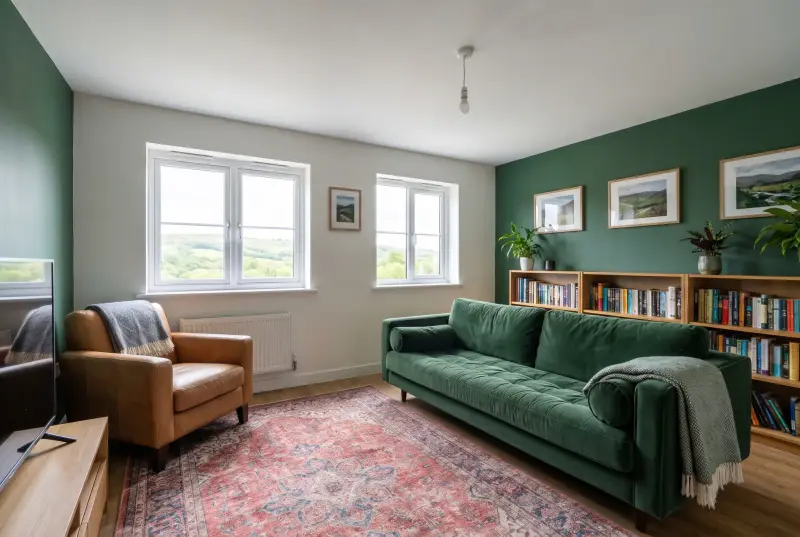
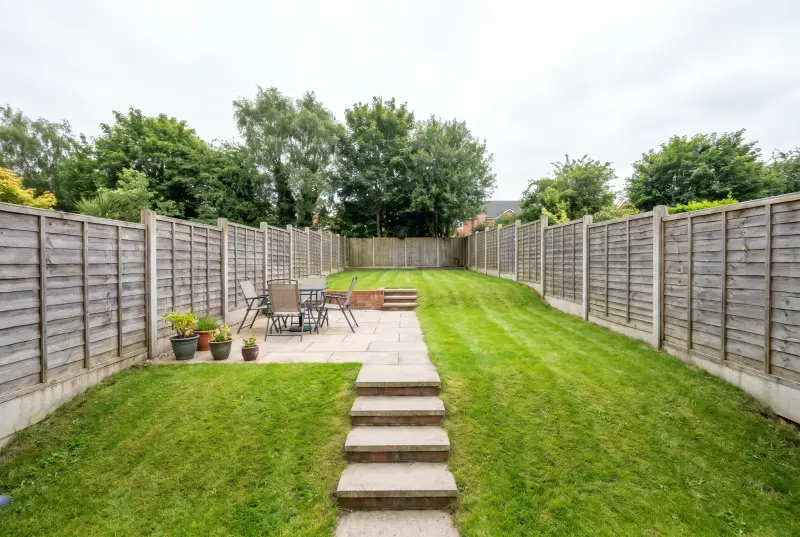
The 60 homes, their prices, streets and photographs are invented. The ten areas, postcode districts, schools, parks, stations and tram stops are real, and every distance is measured from a hidden point on a real residential road, so they agree with each other and with the map.
No home is shown on a map and none has a house number, because a pin always lands on somebody’s front door.
The rules it follows
- It only states what a listing holds. No invented features, distances or prices.
- When nothing fits everything, it says so and names what it set aside to find the closest homes. When there’s a real choice about what to give up, it asks first.
- It names schools with their distances and never rates them or claims a catchment.
- It won’t say whether an area is safe or nice for families. It gives the same facts about what’s nearby to everyone who asks.
- It gives no mortgage, affordability or investment advice.
What comes next
Today the search box reads your words with plain rules. Next, Claude Haiku will read them instead and talk the search through with you, using this same search as its only source of homes, so it can explain the results but never add to them.
Credits
- Map data © OpenStreetMap contributors, under the Open Database Licence.
- Photographs made with Google’s Gemini image model from each listing’s own facts.
- Type: Source Serif 4 and Libre Franklin, from Google Fonts.
- Designed and built by Ross Lucarelli with Claude.